What I Help With
Grief Counseling in Seattle
For the death of someone you love, and for the other losses that change a life: a marriage, a role, a hope, or your health.
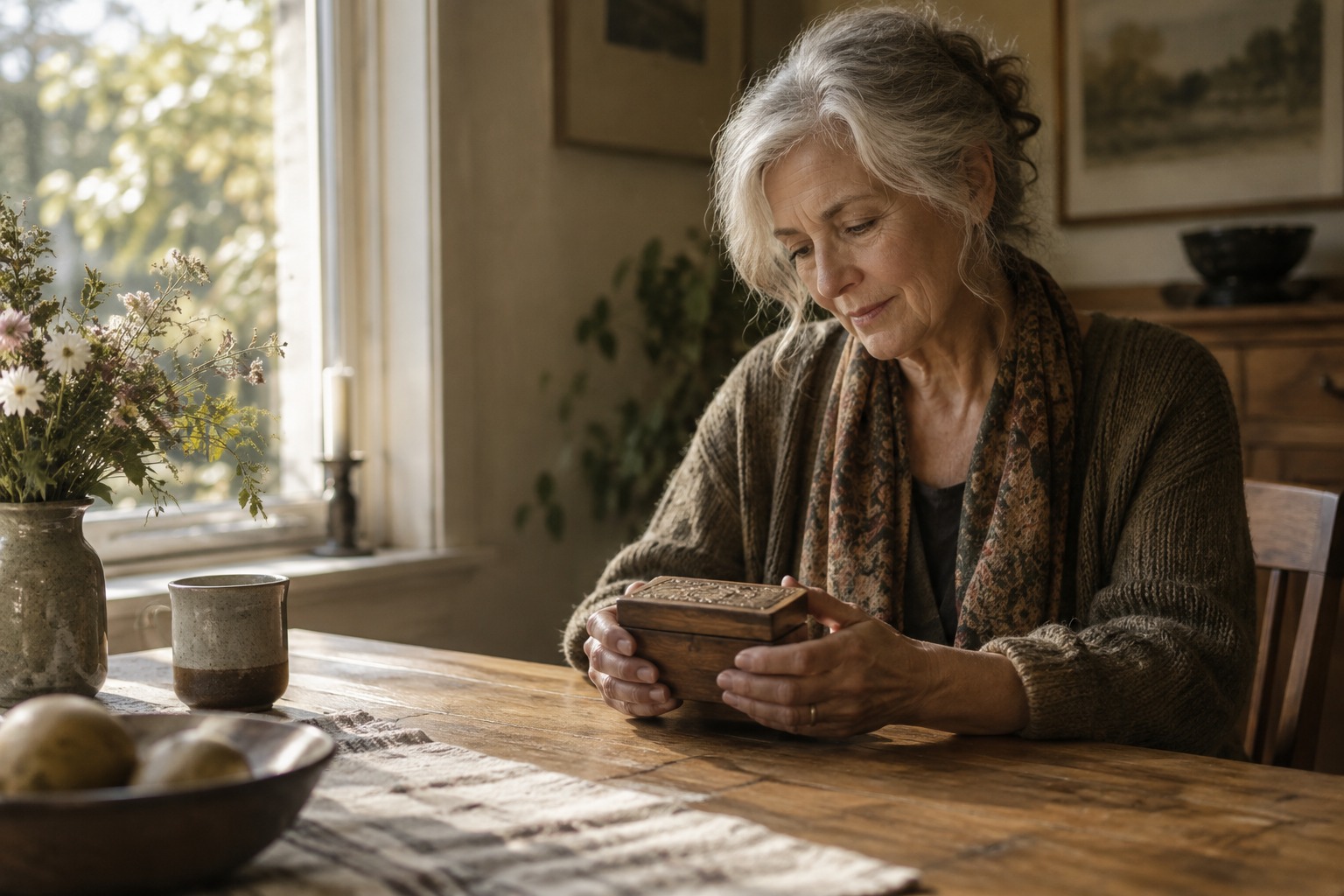
We make room for what you have lost, and for the life that is still here.
Grief can draw you back into the past and leave the future hard to imagine. We do not need to push either away. I help you stay with what you feel in the present, with room for memory and for your own hopes.
A loss can change familiar parts of your day. I listen for what you miss and what feels unfinished.
What It Can Feel Like
- Waves of sadness that come without warning
- Guilt or regret
- Anger
- Feeling alone in it
- Losing track of who you are without them
- Grief for a relationship that diminished rather than ended

Grief Has No Schedule
Grief does not follow stages in order. It changes shape over time. We make room for it and for your life going on.
I do not set a deadline for how you should feel. We can discuss what the loss means now and what you want help carrying. Your experience does not have to match someone else’s.
Who I See for This
I work with adults from their twenties into their nineties who are grieving a death or another significant loss. Grief may follow a separation, changing health, a lost role or a hope that did not become real.
Individual sessions give you room for your experience. Couples or family work may be useful when people are carrying the same loss differently and finding it difficult to understand each other.
Strengths and Support
What Can Change
- Room for Your Feelings
- You may find words for sadness, anger or regret that have been hard to share. We can hold those feelings without requiring an explanation for each one.
- A Sense of Yourself
- We explore who you are as roles and relationships change. You can remember what mattered while considering what you need in the life you have now.
- A Way Forward
- We look at small steps connected to your own hopes. Moving toward something does not require deciding that the loss no longer matters to you.
How I Approach It
How I WorkGrief and Loss Work
We talk about the loss in your words, including feelings that seem contradictory. You do not have to make your grief acceptable or tidy before bringing it here.
Insight Into What the Loss Means
We consider what changed in your relationships, your identity and your expectations. Earlier experiences may also shape how you carry this loss, and we can explore them gently.
Skills for Calming Yourself
When feelings become overwhelming, we practice ways to settle your body and mind. Those skills can give you something to return to between sessions, without trying to erase grief.
Strengths First
I help you notice the capacities you still have, even when life feels unfamiliar. We consider what supports you and how to make room for your needs now.
Frequently Asked Questions
How long does grief last?
There is no set schedule. We work with how the loss affects you now, rather than deciding when you should be finished grieving.
Is it normal to still feel this way years later?
Grief can remain part of life years after a loss. You can seek support without judging yourself for still feeling it.
Can you help with losses that are not deaths?
Yes. I work with grief for relationships, roles, hopes and health, as well as the death of someone you love.
Related Pages


Related Reading
Grief Later in Life
I make room for the losses that gather in later life, and for the connections and meaning you still want in the present.
Read the GuideMore to Explore
- Grieving a Relationship
Make room for the loss of a relationship, its routines and its imagined future without requiring yourself to feel only one way.
- Grief Around Anniversaries
Consider the meaning of anniversaries and reminders of loss, and how to make room for your own preferences around those dates.
- Supporting Someone in Grief
Explore listening, practical offers and your own limits when someone you care about is grieving.
- Retirement and Identity
Explore changing routines, purpose and relationships after retirement with room for both relief and uncertainty.
- Loneliness in Later Life
Explore changes in connection, belonging and daily companionship in later life with David Johnson in Seattle.
- Career Change and Identity
Explore what a career change means for your sense of self, relationships and hopes without reducing the decision to a job title.