What I Help With
Trauma and PTSD Therapy in Seattle
Healing from old wounds at a pace that keeps you steady, with someone who understands the legacy of trauma.

Recognizing It
What It Can Feel Like
Something in the present may stir feelings that belong to an earlier experience. I want to understand those reactions without asking you to tell more than you feel ready to share.
- Reactions that seem bigger than the moment
- Feeling on guard
- Nightmares or poor sleep
- Numbness or distance from others
- Beliefs about yourself formed in hard years
- Trouble trusting
Understanding It
What happened in the past does not have to decide every moment ahead.
We make room to understand old wounds while staying attentive to how you feel in the present. The future can hold your aspirations as well as your fears. We approach that possibility with care, rather than rushing you toward it.
Resilience After Adversity
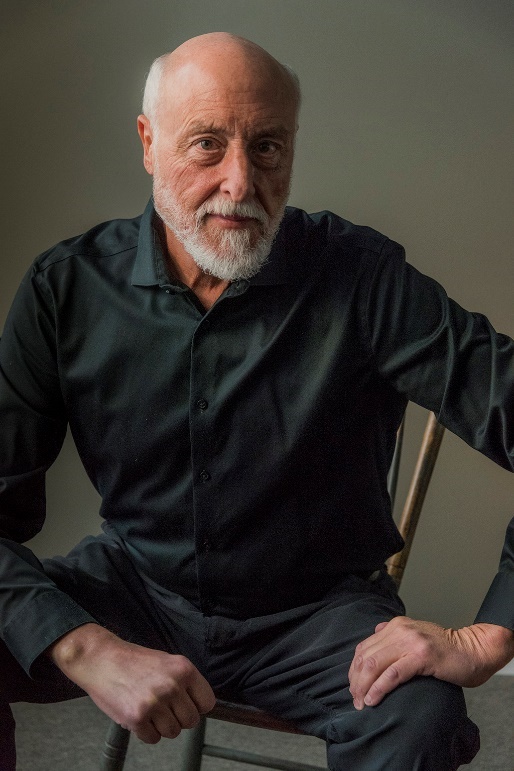
I survived several traumas as a child, and that led me to my life's mission of helping others be resilient and transcend adversities and instead thrive.
I know personally and professionally that people can transcend adversity. In our work, resilience is something we build from your strengths, at your pace. You do not need to compare your experience with anyone else’s, or arrive knowing how to describe it.
About DavidWorking in the Present
How I Approach It
What Can Change
- Understanding
- You may recognize how an old experience is shaping a current reaction. We can make sense of it without treating that reaction as who you are.
- Steadiness
- Calming skills and a manageable pace can help you stay with difficult feelings. We notice when you need more room, a pause or a different approach.
- Choice
- We work toward choices guided by your present values and hopes. Old beliefs can be questioned without denying what happened or expecting you to forget it.
Trauma-Informed Care
Safety, choice and pacing come first. We talk about what feels manageable and pause when needed. You have a say in what we approach and when.
Insight Into Old Beliefs
We explore conclusions formed in hard years, including beliefs about trust or your own worth. Understanding why they developed gives us room to question whether they still fit.
Skills for Calming Yourself
I help you practice ways to settle your body and mind when reactions become strong. We consider skills you can use between sessions, as well as in the room.
Strengths First
Your history includes capacities for getting through adversity, even when you do not recognize them as strengths. I listen for those capacities and help you build on them.
Who I See for This
I see adults from their twenties into their nineties who are living with the effects of trauma or PTSD. You may want to address something from childhood or an experience later in life.
I work with individuals, and with couples when the legacy of trauma is affecting how partners relate. We discuss what you want help with and which setting gives the work room.

Frequently Asked Questions
Do I have to talk about everything that happened?
No. Pacing and choice come first. You decide what to share, and we can begin with how you are feeling now.
Is it too late to work on something from childhood?
No. We can work on the effects of childhood experiences in adult life, at a pace you can manage.
What is trauma-informed care?
Safety, choice and pacing guide the work. I pay attention to how you are responding and we decide together what feels manageable.
Related Pages
Related Reading
Why Do I Keep Replaying the Past?
When old moments keep returning, I look at what your mind is trying to solve and what you have come to believe about yourself.
Read the GuideMore to Explore
- Trauma-Informed Care
David Johnson describes an approach to therapy that makes room for choice, pacing and the effects of difficult experiences.
- Old Wounds and Present Reactions
Explore a recent relationship reaction in context, distinguishing what happened now from the meaning earlier experiences may add.
- Hope After Adversity
Explore realistic hopes and personal strengths after difficult experiences, without pressure to minimize what happened.