What I Help With
Help With Relationship Conflict
When arguments escalate instead of resolving, you can learn to turn conflict into collaboration.
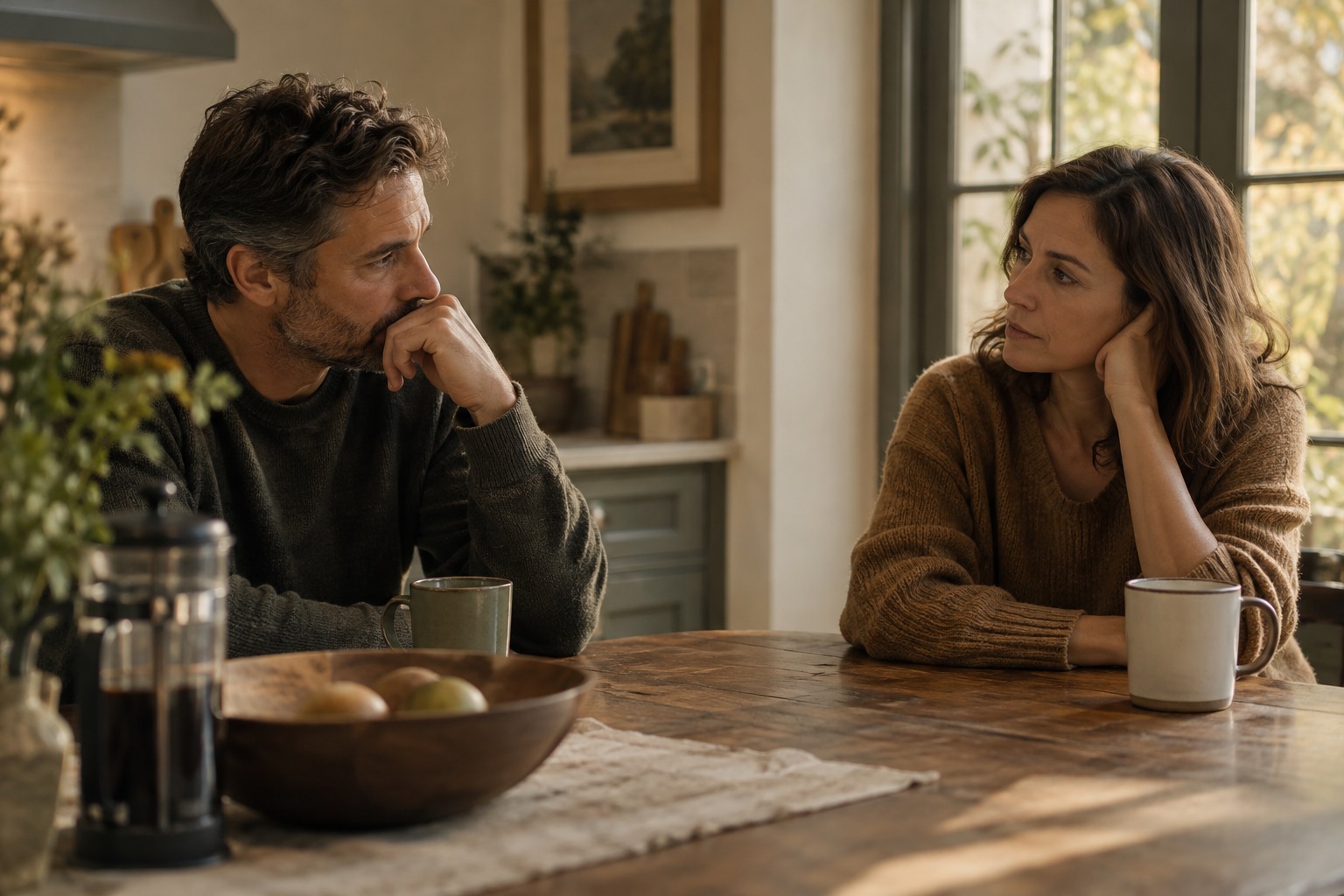
Familiar Patterns
What It Can Feel Like
You may know the pattern well and still feel caught in it when the conversation begins. I want to hear what happens before, during and after the argument, and what each person is trying to say.
- The same argument again and again
- Saying things you regret
- Shutting down or walking away
- Feeling unheard
- Conflict with family members or coworkers as well as a partner
- Drifting apart
Conflict can escalate, or become a conversation about what matters.
Old experiences can shape what you hear in an argument, while worry about the future makes the moment feel urgent. We slow down what is happening in the present. I help you look for a way to speak and listen without repeating a familiar struggle.
What You Want
What Can Change
- Recognizing the Pattern
- You may notice where a conversation turns into a familiar argument. We look at what each reaction means, rather than assuming the disagreement tells the whole story.
- A Different Response
- Calming yourself and speaking clearly can create room for a different exchange. We practice what feels usable and discuss what remains difficult between conversations.
- Connection and Choice
- We consider the relationships you want and what supports them. Your goals guide the work; progress is something we check together, not a promised result.
Individually or Together
This work can happen in individual therapy or in couples sessions. You do not need to wait for someone else to agree before looking at your own part in a difficult pattern.
Individually, we can explore how you respond to conflict and what you want to say more clearly. Together, partners can practice a different conversation with my help. Family sessions offer room for conflicts across generations. We choose the format around what you want to work on.

Ways We Explore It
How I Approach It
Communication Skills
We practice saying what you need without turning the conversation into blame. I help you listen for what the other person means, and notice where the exchange begins to escalate.
Skills for Calming Yourself
We look at how tension builds in your body and mind. Practicing ways to settle yourself can make room to respond, rather than say something you later wish you could take back.
Insight Into Familiar Patterns
We explore the expectations you bring from earlier relationships. An old fear of being dismissed may shape a present conversation, even when the people and circumstances are different.
Strengths First
I look for what you already do that supports connection. We build on your willingness to care, to reflect and to try again, without overlooking the hurt that brought you here.
Who I See for This
I work with adults from their twenties into their nineties. Individual sessions give us room to understand your experience in the context of your life, relationships and hopes.
Couples sessions may be useful when the concern is also affecting how partners relate. We discuss what you want help with and choose a format that gives the work room.


Frequently Asked Questions
Can I work on this if my partner will not come?
Yes. In individual therapy, we can work on your reactions, your communication and the choices you can make, even if your partner does not attend.
Is conflict always a bad sign?
No. How we handle it matters. We can look at whether conflict makes room for understanding or keeps leaving you hurt and unheard.
How quickly do couples see change?
It varies. We set goals early and check progress together.
Related Pages
Related Reading
Turning Fights Into Conversations
When a familiar argument starts again, I help partners slow the exchange and say what they need in a way the other person can hear.
Read the GuideMore to Explore
- Repair After Conflict
Explore how to return to a difficult conversation, acknowledge your part and discuss what needs to happen next.