What I Help With
Therapy in Later Life
For people in their sixties, seventies and nineties: meaning, loss, relationships and growth, with a therapist who understands this stage.

Growth does not stop at any age.
Looking back can bring pride, regret or unfinished questions. Looking ahead may ask you to reconsider what matters. We make room for both, while attending to the relationships, choices and hopes that are part of your present life.
Later life can hold losses and possibilities together. I want to hear what has changed, what you miss and what you still want from your life.
What It Can Feel Like
- Losses of people, roles and health
- Retirement and identity
- Changing relationships with adult children
- Loneliness
- Looking back on life with regret or pride
- Wanting to keep growing
A Therapist Who Has Lived It Too
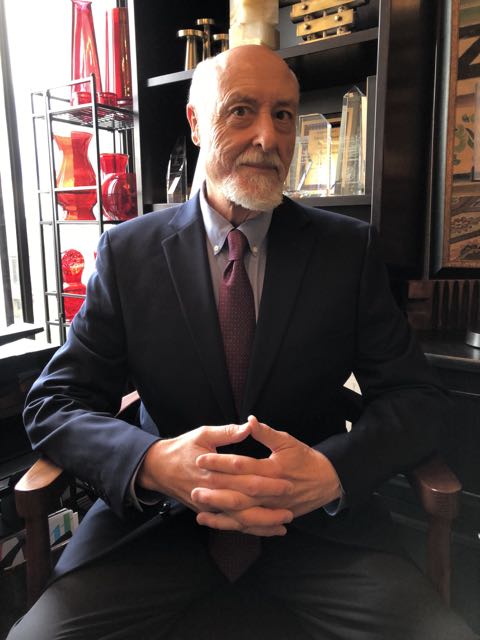
I have worked with people across the whole span of adult life. After retiring as a CEO, I returned to full-time practice. I value the chance to keep doing work that matters to me.
That experience informs my interest in questions of purpose, identity and growth in later life. Your experience remains your own, and I do not assume it matches mine. We can explore what you want to carry forward, what you want to reconsider and what gives your days meaning now.
Who I See for This
I work with adults from their twenties into their nineties. Individual sessions give us room to understand your experience in the context of your life, relationships and hopes.
Couples sessions may be useful when the concern is also affecting how partners relate. We discuss what you want help with and choose a format that gives the work room.
Strengths and Support
What Can Change
- Understanding Your Life
- We look at memories and conclusions that still matter. Pride and regret can both have room without either becoming the only account of who you are.
- Connection
- We consider how to speak about changing needs with a partner or adult children. The aim is a clearer conversation, not a promise that every relationship will change.
- Meaning Now
- Your hopes still guide the work. We explore what gives your days meaning and what you want to keep developing, while respecting the losses you are carrying.
How I Approach It
How I WorkGrief and Loss Work
We make room for the loss of people, health or familiar roles. I listen to what each loss means to you, without assuming that everyone experiences this stage in the same way.
Insight-Oriented Psychotherapy
We can look back at experiences that still shape your relationships or your view of yourself. Reflection can include both appreciation and regret, without reducing a whole life to either.
Strengths First
I help you recognize capacities and values that remain yours as circumstances change. We consider how you want to use them now, rather than measure yourself only against an earlier stage of life.
Communication Skills
Relationships with a partner or adult children can change over time. We work on saying what you need, listening to others and approaching disagreements with more clarity and care.
Frequently Asked Questions
Is therapy worthwhile later in life?
You can work on relationships, old experiences and new goals in later life. We discuss what matters to you and what you want from the work.
Can sessions be by video if driving is hard?
Yes. Telehealth is available to Washington State residents, including while you are traveling out of state.
Do you work with couples who have been together for decades?
Yes. I work with couples whose shared history spans decades, including changing needs, conflict and the wish to reconnect.
Related Pages

Related Reading
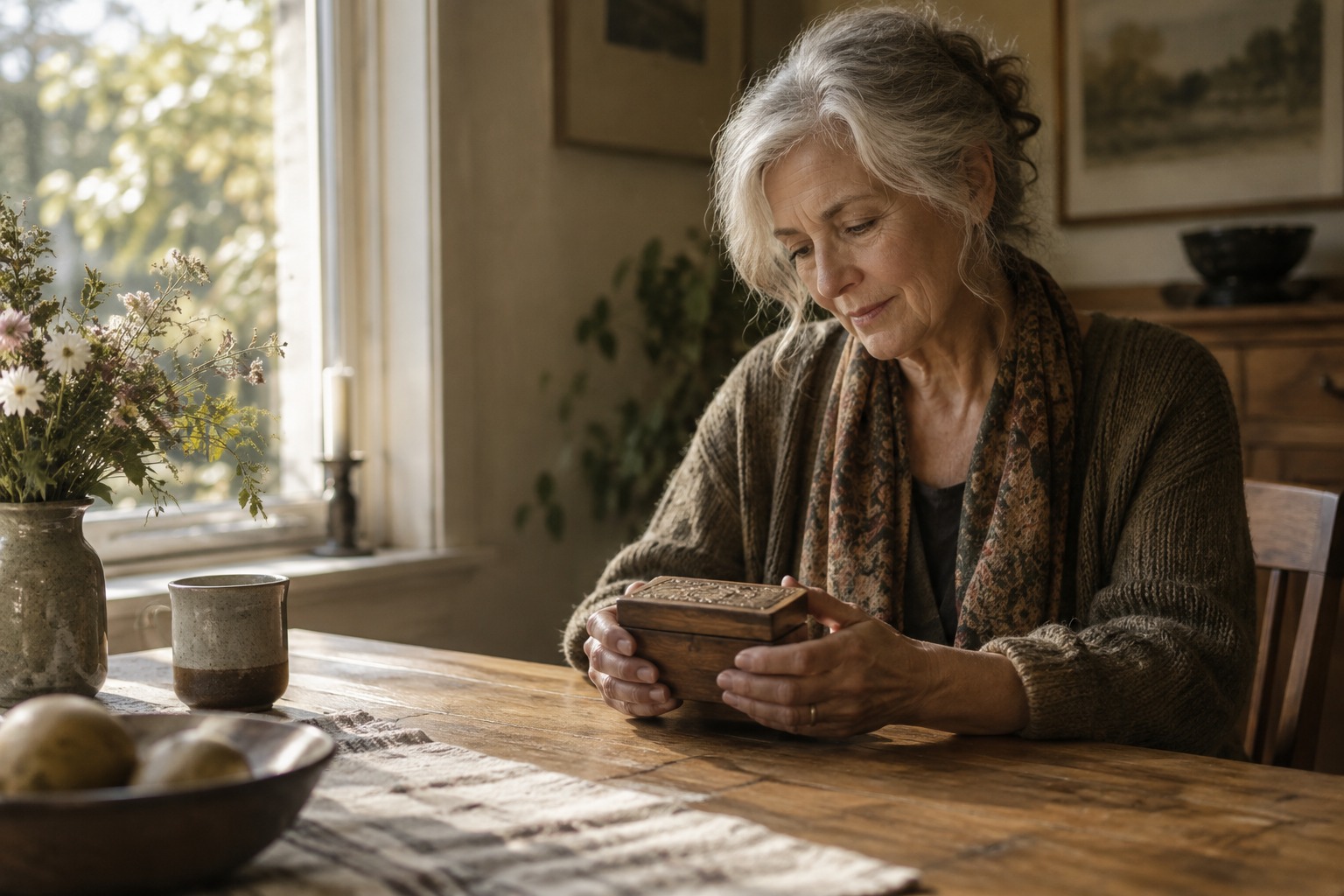
Grief Later in Life
I make room for the losses that gather in later life, and for the connections and meaning you still want in the present.
Read the GuideMore to Explore
- Retirement and Identity
Explore changing routines, purpose and relationships after retirement with room for both relief and uncertainty.
- Caregiving and Boundaries
Explore the responsibilities, expectations and personal limits that arise when you care for another adult.
- Loneliness in Later Life
Explore changes in connection, belonging and daily companionship in later life with David Johnson in Seattle.